Mold Remediation in Glassboro, NJ
CALL TODAY FOR A FREE ESTIMATE (609) 402-7428
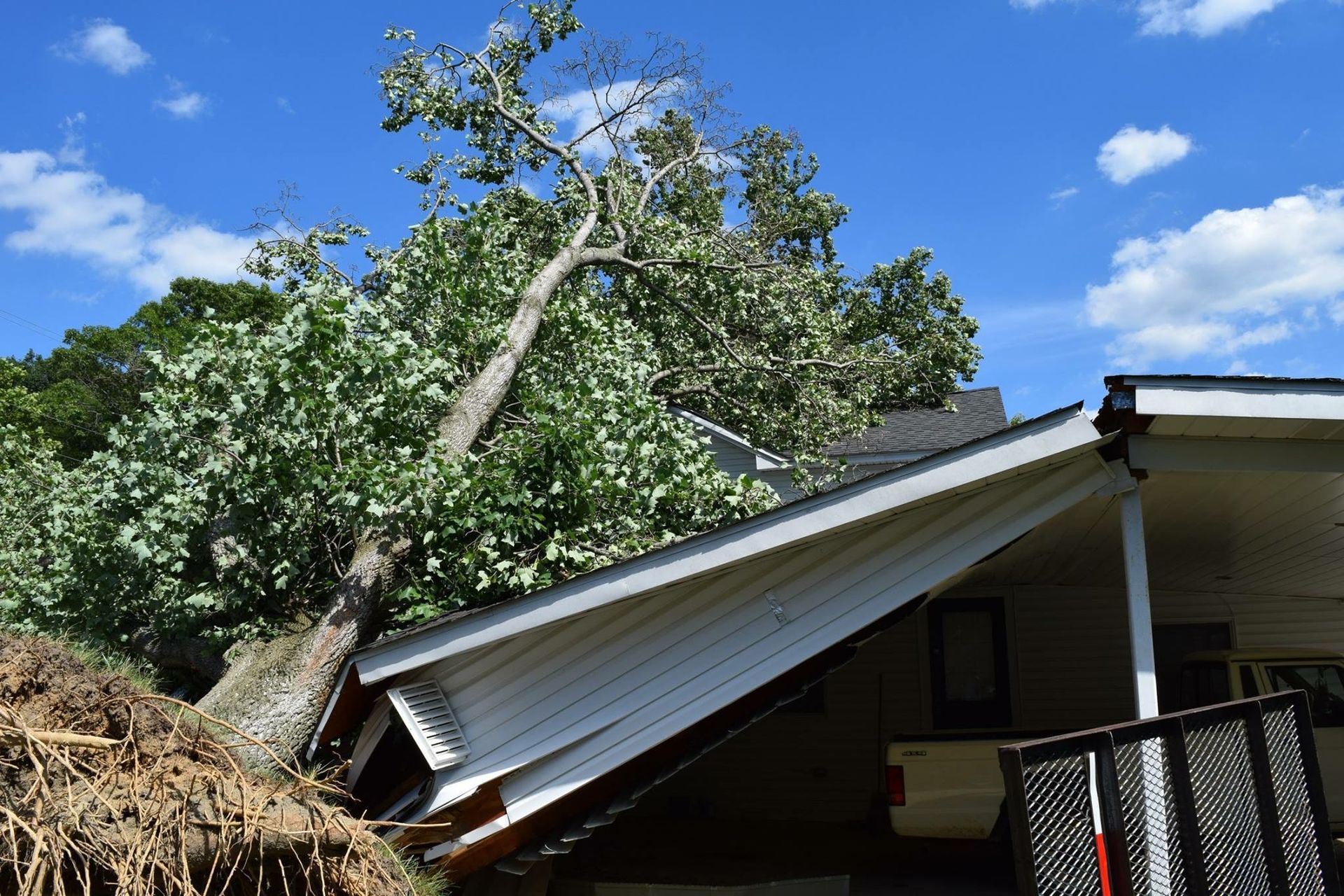
Mold remediation services in Glassboro, NJ, are rarely triggered by one big event. Most of the time, the problem builds quietly. Moisture settles into a basement corner. A bathroom fan stops working. A rental sits empty for a few weeks during summer break. That’s usually all it takes.
With Rowan University at the center of town, many Glassboro homes see frequent tenant turnover. Rooms get added. Basements get converted. Airflow gets compromised. Mold can take hold behind walls, under flooring, or inside insulation long before anyone notices something is wrong.
Seaboard Building & Restoration, Inc. provides
professional mold remediation for homeowners, landlords, and businesses in Glassboro who want the issue handled correctly—not rushed and not disguised with surface fixes.
Most mold problems here don’t announce themselves loudly. They start small. Then someone catches a musty smell. Or notices staining that wasn’t there before. That’s usually where people realize something deeper is going on.
How Rowan University Shapes Mold Issues in Glassboro Homes
Rowan University influences more than traffic and housing demand—it also affects how moisture problems develop in local homes. Many properties near campus began as single-family houses and were later adapted into student rentals or multi-tenant spaces.
Extra bedrooms, shared bathrooms, and finished basements are common. So is inconsistent ventilation. During summer months, some homes sit closed up with air conditioning turned off. Humidity rises. Air stops moving. Moisture settles into porous materials.
By the time tenants return, mold may already be present behind drywall or beneath flooring. That’s why mold inspection and removal tend to be more critical in Glassboro than in areas with steady, year-round occupancy.
Why Mold Often Goes Unnoticed Between Tenants
Timing is one of the biggest reasons mold remediation services are delayed in Glassboro. When tenants move out, properties are usually cleaned and prepped quickly for the next lease. The focus is on appearance.
Fresh paint. New flooring. A quick wipe-down.
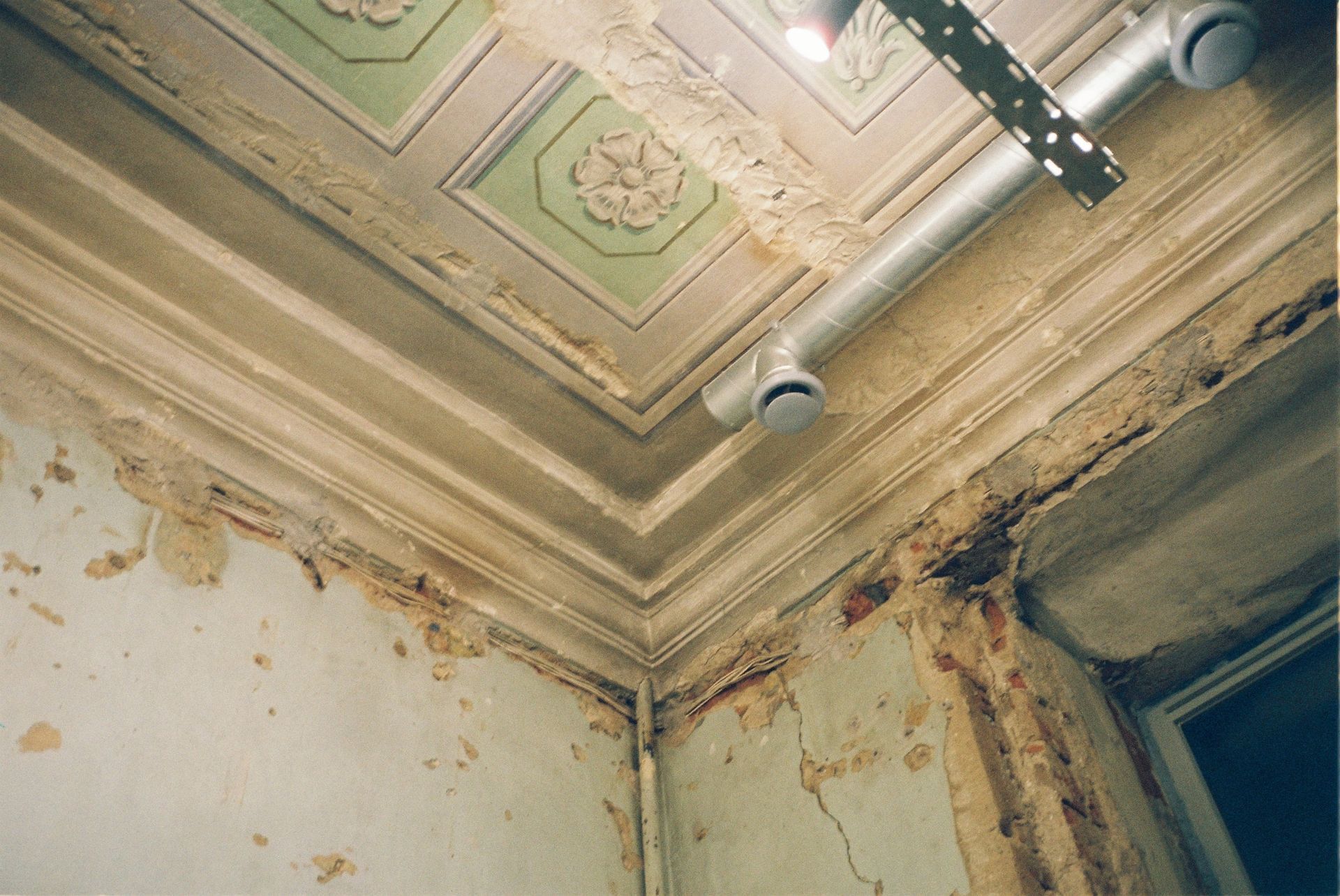
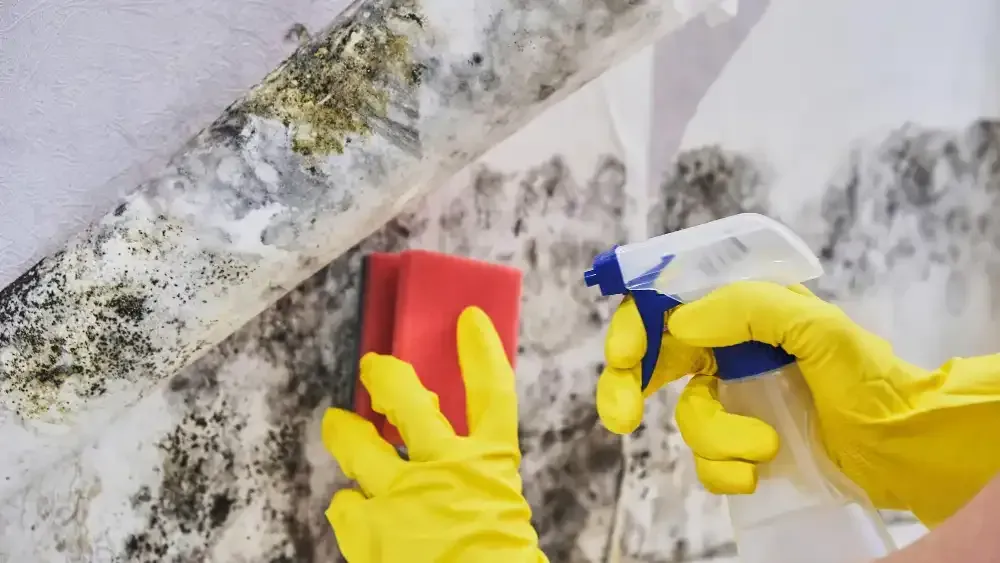
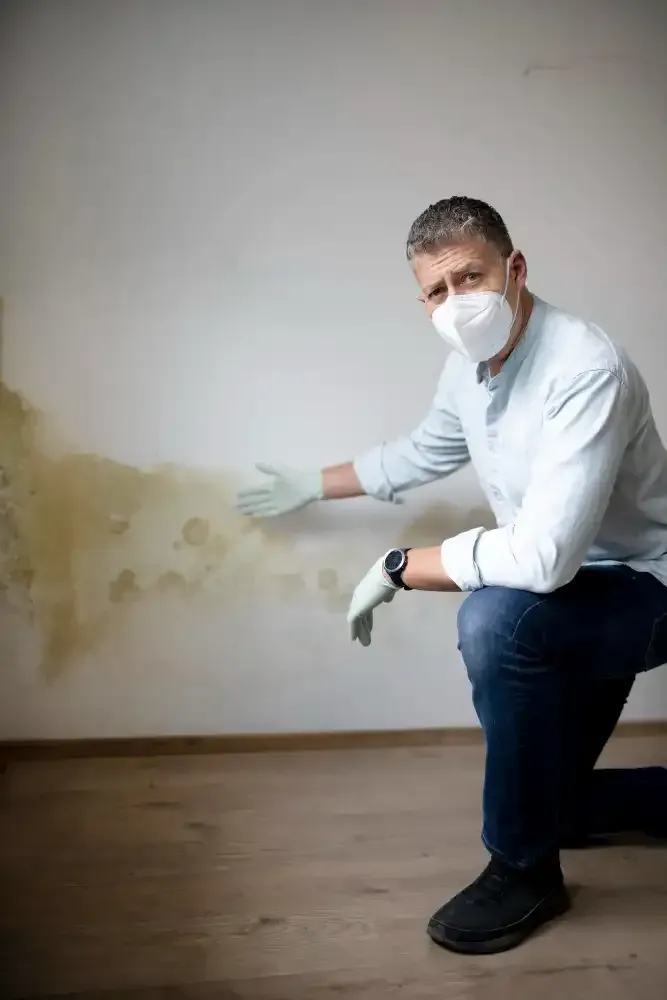
Those steps can hide moisture damage without addressing the source. Mold thrives in dark, damp spaces—wall cavities, subfloors, insulation—places you won’t see during a basic walkthrough. It keeps spreading quietly until odors, air quality issues, or health complaints force the issue.
That’s where professional mold remediation changes the outcome. It finds what surface fixes miss.
High-Risk Areas Inside Glassboro Rental Properties
After years of restoration work in the area, certain trouble spots show up again and again:
• Finished basements used as bedrooms
• Shared bathrooms with weak or broken exhaust fans
• HVAC closets where condensation builds
• Kitchens with older plumbing connections
• Attics affected by poor airflow or past roof leaks
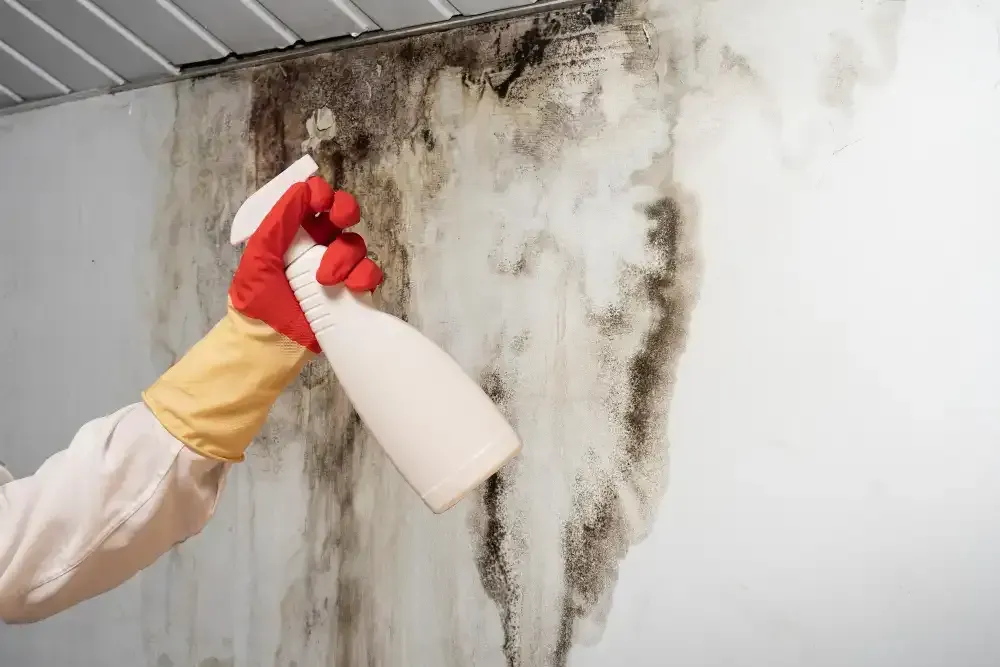
Black mold removal is especially common in these areas because moisture stays trapped and undisturbed. Without proper containment, spores can spread far beyond the original source.
Mold Inspection and Removal During Tenant Turnover
Turnover is usually the best window to address mold the right way. Seaboard Building & Restoration, Inc. performs mold inspection and removal that looks beyond what’s visible.
We identify moisture sources, evaluate affected materials, and determine whether mold damage restoration is necessary. That process helps property owners avoid repeated problems, tenant disputes, and long-term liability.
Handled at the right time, residential mold remediation becomes preventative instead of reactive.
Six Glassboro-Specific Mold Triggers We See Most Often
These are the kinds of conditions certified mold specialists are trained to recognize and address safely.
Residential Mold Remediation for Glassboro Property Owners
Residential mold remediation in Glassboro isn’t just about removing what you can see. It’s about stabilizing the home and preventing the problem from coming back.
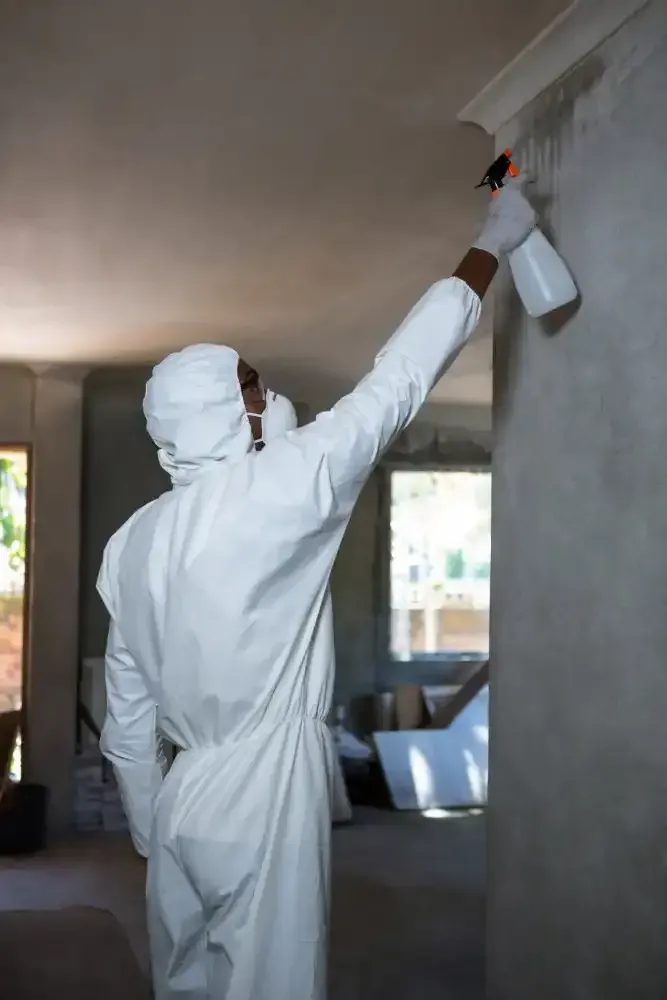
Seaboard Building & Restoration, Inc. focuses on containment, controlled removal, air filtration, and verification. Our
restoration background means we understand how mold interacts with framing, drywall, subfloors, and insulation—not just surface materials.
Homeowners and landlords rely on a process that protects the structure and the people living inside it.
Emergency Mold Remediation Before New Tenants Move In
Emergency mold remediation often becomes necessary when leaks, flooding, or long-standing moisture issues are discovered right before a scheduled move-in. In Glassboro’s fast-moving rental market, delays can create real problems.
Our emergency mold remediation services focus on rapid containment and safe removal while preserving as much of the structure as possible. Acting early limits spore spread and helps prevent deeper damage that leads to larger repairs later.
Why Glassboro Property Owners Choose Seaboard Building & Restoration, Inc.
Seaboard Building & Restoration, Inc. approaches mold remediation with a restoration-first mindset. Since 2015, our team has worked throughout South Jersey, handling both residential mold remediation and commercial mold remediation with care, precision, and accountability.
Clients appreciate clear communication, realistic timelines, and working with certified mold specialists who understand building systems as well as environmental risks. Mold cleanup services aren’t treated as isolated tasks—they’re part of protecting the long-term integrity of the property.
Schedule Mold Inspection & Removal in Glassboro
If you suspect mold in your Glassboro home or rental property, addressing it early can prevent far more serious issues later. Seaboard Building & Restoration, Inc. is a local mold removal company serving communities across South Jersey, including Glassboro, Lindenwold, and Pitman.
Each town has its own construction styles and moisture challenges. Our approach stays consistent—thorough mold inspection and removal, responsible remediation, and results that last. For more details,
call us!
FAQs About Mold Remediation in Glassboro, NJ
How long does mold remediation usually take in Glassboro homes?
Most mold remediation services in Glassboro take two to five days, depending on the location of the mold and how long moisture has been present. Homes near Rowan University often require more detailed work after periods of vacancy.
Is it safe to stay in the house during mold remediation?
Sometimes. During professional mold remediation, containment and air filtration are used to limit spore movement. For larger black mold removal projects, temporary relocation may be recommended to protect indoor air quality.
Do I need mold remediation before renting my property again?
If mold is suspected, completing mold inspection and removal before new tenants move in is strongly recommended. It helps prevent health complaints, property damage, and liability issues common in high-turnover Glassboro rentals.
What causes mold to keep coming back in Glassboro houses?
Recurring mold is usually tied to unresolved moisture issues—poor ventilation, aging windows, basement humidity, or roof leaks. Mold cleanup services alone won’t stop regrowth unless those sources are addressed as part of mold damage restoration.
How do I know if I need emergency mold remediation?
Emergency mold remediation is recommended after flooding, plumbing leaks, or when strong odors and visible growth appear suddenly. Acting quickly helps limit structural damage and contain the spread.
Our Partners